Dr Kanwal Shankardass - update on work in Banda Aceh Indonesia, post 2004 tsunami
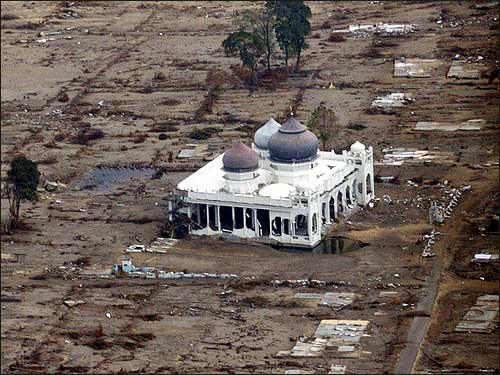
Today we heard from Dr. Kanwal Shankardass, who has played a key role in a collaborative global health project in Banda Aceh, Indonesia. Dr Shankardass introduced our speakers, Dr. Lynda Redwood-Campbell and Dr. Sameer Shaikh. Banda Aceh was devastated by the 2004 tsunami (the picture below shows some of the damage) and we heard of the project which aims are to improve health of vulnerable people though medical education. Our sister Rotary Club in Dundas is working with McMaster University and Syiah Kuala University in Banda Aceh to help re-establish the medical education and providing funds for the operation of a health clinic, an orphanage, an elementary and secondary school and some start-up small businesses at the Yayasan Centre.
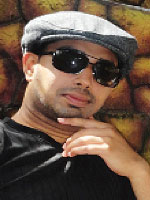
Dr. Sameer Shaikh, (below) who is undertaking a medical residency at McMaster, worked in Banda Aceh last year. He described the Yayasan Centre, the services it offers and some of the obstacles faced in getting the medical centre up and running. The orphanage / school is in operation and providing basic needs to 51 students from very poor families. The new computer lab has been set up with four work stations installed and another 10 planned, giving the students internet access and helping to further their ongoing education. More IT capacity is a definite need.
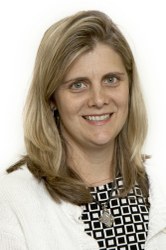
Dr Redwood-Campbell (photo above) - a Professor in Primary health care and Family Medicine, described the partnership between McMaster and Syiah Kuala University to develop curricula for both Family Medicine and Disaster Planning. Given the vulnerability of Indonesia to earthquakes and other natural disasters, the latter curriculum fills an important need in both understanding the risk and vulnerability of an area and then how to deal with the mass casualties that result from a disaster. Dr Redwood-Campbell also described an exciting new project for which they are seeking Canadian Federal funding, which is to use mobile technology to train health care workers; this is particularly appropriate because there is a very high level of cell-phone use in Indonesia.